

Automotive Industry Today
Europe Head-Up Display Market: Growth, Trends, and Future Outlook to 2030
The automotive industry across Europe is undergoing a major transformation driven by digital technologies, advanced driver-assistance systems (ADAS), and intelligent vehicle interfaces. One of the most innovative technologies emerging from this transformation is the head-up display (HUD) system. HUD technology projects critical information such as navigation instructions, speed, and safety alerts directly onto the windshield or a transparent display in the driver’s line of sight. This allows drivers to access essential information without diverting their attention from the road, significantly improving safety and driving comfort.
The Europe head-up display market is projected to grow from about USD 0.99 billion in 2025 to USD 1.48 billion by 2030, registering a CAGR of around 8.4% during the forecast period. The increasing integration of advanced driver-assistance systems, strict safety regulations, and rising demand for technologically advanced vehicles are the primary factors fueling market growth across the region.
As European automakers continue to focus on improving driver experience, reducing accidents, and enhancing digital cockpit functionality, the demand for head-up display technologies is expected to grow rapidly.
Download PDF Brochure:
https://www.marketsandmarkets.com/pdfdownloadNew.asp?id=684
Understanding Head-Up Display Technology
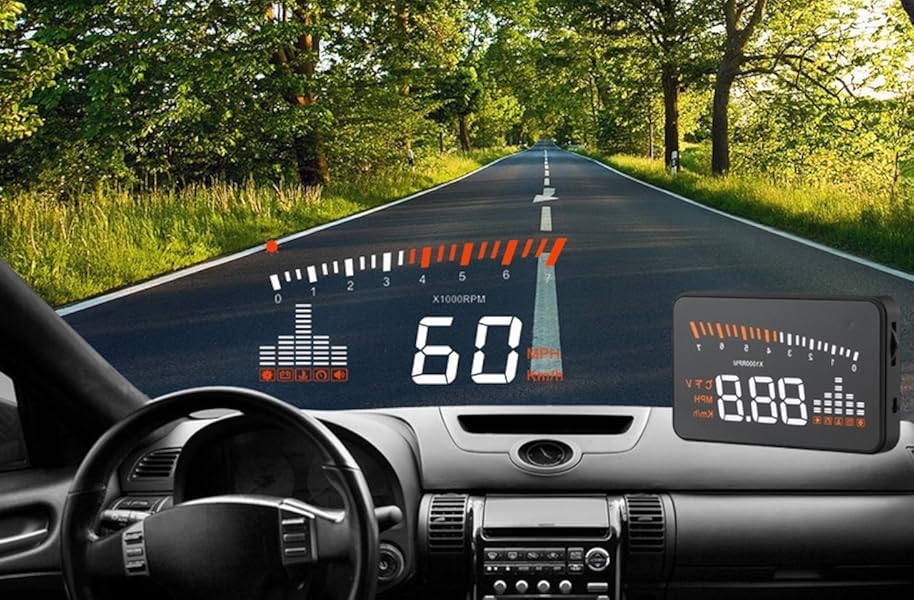
A head-up display is a transparent display system that presents information directly within the driver’s field of vision. Originally developed for military aviation, HUD technology has gradually expanded into the automotive sector, aviation, and other industries.
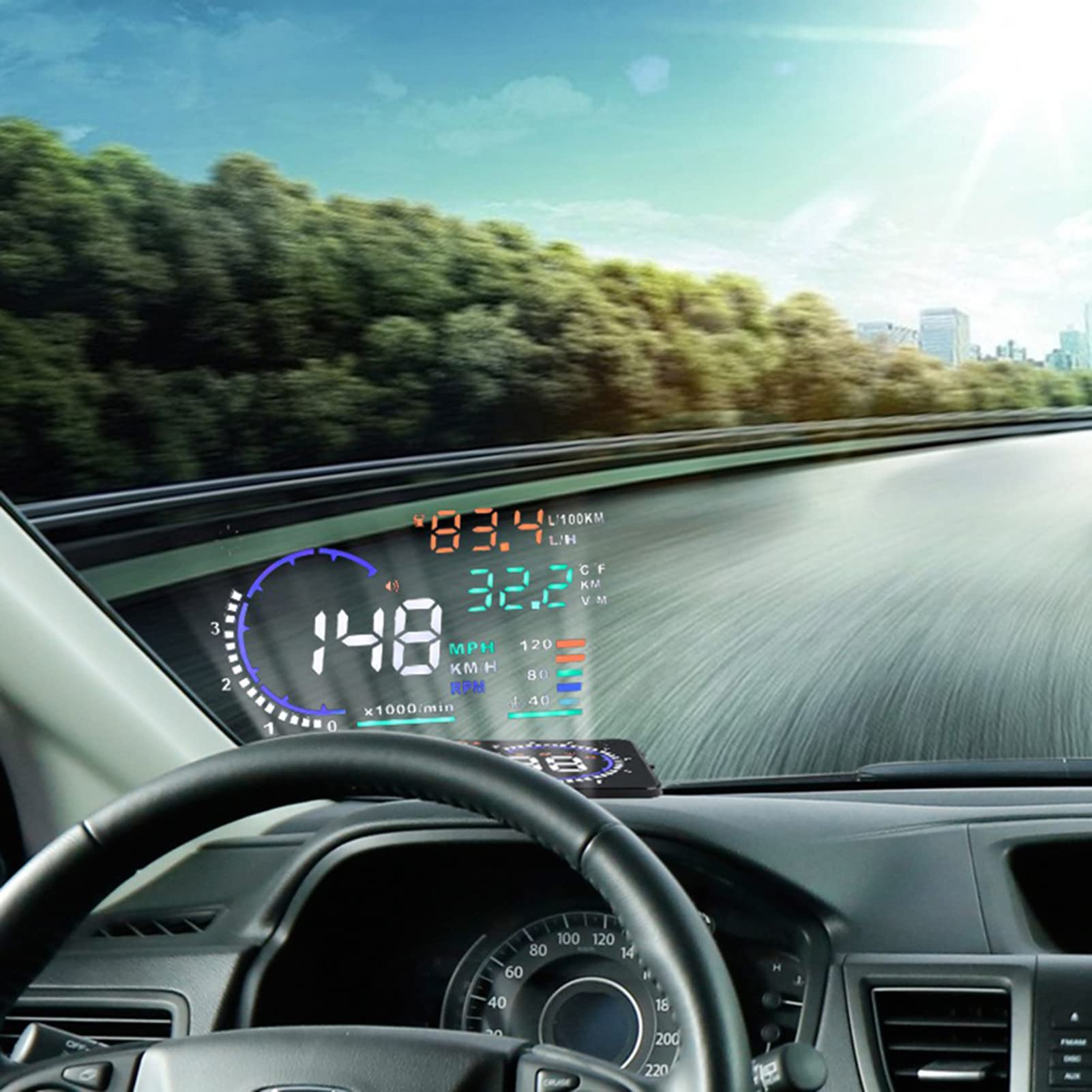
In modern vehicles, HUD systems project information onto the windshield or a small combiner glass using projection units and optical components. The displayed information may include:
- Vehicle speed
- Navigation guidance
- Safety alerts
- Lane departure warnings
- Collision warnings
- Traffic signs
- Battery status in electric vehicles
By allowing drivers to view important data without looking down at the dashboard, HUD technology helps reduce distractions and improves situational awareness.
This capability is particularly important as vehicles become more connected and equipped with advanced driver assistance features.
Market Size and Growth Outlook
The Europe head-up display market has been growing steadily due to the rising adoption of digital cockpit technologies and the increasing demand for advanced safety systems in vehicles. The market was valued at approximately USD 0.93 billion in 2024 and is forecast to reach USD 1.48 billion by 2030.
Several factors are contributing to this growth:
- Growing integration of ADAS technologies
- Increasing demand for connected and smart vehicles
- Rapid adoption of electric vehicles
- Expansion of digital cockpit interfaces
- Rising consumer preference for premium vehicle features
Automotive manufacturers across Europe are incorporating head-up displays into their vehicles to enhance driver safety, improve user experience, and differentiate their products in a highly competitive market.
Key Market Drivers
Increasing Focus on Vehicle Safety
Road safety remains a major concern in Europe, where governments and regulatory bodies continue to introduce stricter safety standards for vehicles. Driver distraction is one of the leading causes of road accidents worldwide.
HUD technology helps address this challenge by providing critical information directly within the driver’s line of sight, allowing drivers to keep their eyes on the road while receiving important updates. As a result, automakers are increasingly adopting HUD systems to improve driver awareness and reduce accident risks.
Growing Adoption of Advanced Driver-Assistance Systems (ADAS)
Advanced driver-assistance systems have become essential components of modern vehicles. Technologies such as lane-keeping assist, adaptive cruise control, collision avoidance, and blind-spot detection rely heavily on real-time data visualization.
Head-up displays play a crucial role in presenting these alerts and warnings to drivers quickly and effectively. By integrating HUDs with ADAS systems, automakers can deliver real-time navigation guidance, hazard warnings, and vehicle status information directly to drivers.
This integration significantly enhances driver awareness and improves overall driving safety.
Rising Popularity of Electric and Connected Vehicles
The rapid growth of electric vehicles in Europe is another important driver for the head-up display market. Electric vehicles rely heavily on digital interfaces to display information such as battery range, charging status, and energy consumption.
HUD technology offers an effective way to display this information without distracting drivers. In addition, software-defined vehicles and connected car technologies are increasing the need for real-time data visualization, further boosting demand for head-up displays.
Increasing Demand for Premium Vehicle Features
European consumers increasingly seek premium and technologically advanced features in vehicles. Head-up displays are often considered a high-end feature that enhances both safety and driving convenience.
Luxury and premium vehicle manufacturers have already integrated HUD technology into many of their models. As production costs decrease and technology becomes more accessible, HUD systems are gradually expanding into mid-range vehicles as well.
Technological Trends Transforming the Market
Augmented Reality Head-Up Displays
One of the most exciting innovations in the HUD market is augmented reality (AR) head-up display technology. Unlike traditional HUDs that display simple data such as speed or navigation arrows, AR HUDs overlay digital information directly onto real-world objects.
For example, navigation instructions can appear as arrows on the road ahead, while hazard warnings can highlight pedestrians or obstacles in real time. This immersive technology significantly improves situational awareness and driving safety.
High-Brightness Projection Systems
Modern HUD systems use advanced projection technologies that ensure clear visibility in different lighting conditions. High-brightness projection units and optical components help maintain display clarity even in bright sunlight or harsh weather environments.
Automotive technology companies are investing heavily in developing advanced optical systems to improve display quality and reliability.
Integration with Artificial Intelligence
Artificial intelligence is also beginning to influence HUD technology. AI algorithms can analyze driving conditions, vehicle data, and environmental information to provide context-aware alerts and recommendations.
For example, AI-enabled HUD systems may warn drivers about potential collisions, traffic congestion, or hazardous weather conditions before they become critical.
Market Challenges
Despite its promising growth prospects, the Europe head-up display market faces several challenges.
Limited Cockpit Space
One of the primary technical challenges associated with HUD systems is the limited space available within vehicle dashboards. Windshield-based HUDs require projection units, optical components, and processing hardware, which can be difficult to integrate into compact vehicle interiors.
Manufacturers must carefully design cockpit layouts to accommodate HUD components without compromising ergonomics or aesthetics.
Display Visibility Issues
Another challenge involves maintaining clear display visibility in different environmental conditions. Bright sunlight, reflections, and adverse weather can sometimes reduce the readability of HUD projections.
To overcome this issue, manufacturers are developing improved optical technologies and higher-brightness displays.
Regulatory and Compliance Requirements
Automotive technologies must comply with strict safety and regulatory standards across European countries. HUD systems must meet specific requirements related to brightness levels, display placement, and driver distraction prevention.
Ensuring compliance with these regulations can increase development costs and slow the deployment of advanced HUD technologies.
Market Segmentation
The Europe head-up display market can be segmented based on components, type, form factor, and end-use applications.
By Component
The market includes several key components such as:
- Video generators and processing units
- Projectors or projection units
- Display units
- Optical components
Among these, video generators and processing units are expected to record the highest growth rate because they enable real-time data visualization and advanced graphics processing for modern HUD systems.
By Type
The market is divided into:
- Conventional head-up displays
- Augmented reality head-up displays
Conventional HUDs currently dominate the market due to their lower cost and widespread adoption in passenger vehicles.
However, AR-based HUD systems are expected to gain popularity as automotive technologies continue to evolve.
By Form Factor
Head-up displays can also be categorized based on form factor:
- Windshield HUDs
- Combiner HUDs
- Wearable HUDs
Wearable HUDs are expected to grow rapidly due to their increasing use in aviation, defense, and industrial applications.
By End-Use Industry
HUD systems are used in several industries, including:
- Automotive
- Aviation
- Defense
- Industrial applications
Among these, the automotive sector is expected to record the highest growth rate, driven by rising vehicle production and the increasing adoption of digital cockpit technologies.
Regional Insights: UK Leading Growth
Within Europe, the United Kingdom is expected to be one of the fastest-growing markets for head-up displays. This growth is driven by the strong presence of automotive research and development centers, increasing adoption of electric vehicles, and the rising integration of advanced safety technologies in vehicles.
Other important markets in Europe include Germany, France, Italy, Spain, and the Nordic countries, where premium vehicle adoption and automotive innovation are driving demand for HUD systems.
Competitive Landscape
The Europe head-up display market is highly competitive, with several global automotive technology companies investing in research and development to introduce advanced HUD solutions.
Key companies operating in the market include:
- Nippon Seiki Co., Ltd.
- Continental AG
- DENSO Corporation
- Valeo
- Panasonic Holdings Corporation
- HARMAN International
- Yazaki Corporation
- Garmin Ltd.
These companies are focusing on product innovation, strategic partnerships, and collaborations with automotive manufacturers to strengthen their market position.
The future of the Europe head-up display market looks promising as automotive technologies continue to evolve. The transition toward autonomous vehicles, electric mobility, and software-defined vehicles will further increase the demand for advanced visualization technologies.
Emerging trends such as augmented reality navigation, AI-powered driving assistance, and connected vehicle ecosystems will transform how drivers interact with their vehicles. HUD systems will play a central role in this transformation by providing intuitive and real-time information directly within the driver’s field of vision.
Furthermore, as manufacturing costs decrease and technology matures, HUD systems are expected to expand beyond luxury vehicles into mid-range and mass-market cars.
North America Head-Up Display Market by Combiner HUD, Windshield HUD, Wearable HUD, Augmented reality (AR) HUD, Conventional HUD, Display Unit, Video Generator/Processing unit, and Projector/Projection unit-Forecast to 2030
Share on Social Media


Contact Information
SAMIR SHUKLA
MarketsandMarkets™ Research Private Ltd.
Magarpatta Sez, Tower B5-1
Hadapsar
Pune
Maharashtra
411013
9923490533
https://www.marketsandmarkets.com/
Other Industry News
Ready to start publishing
Sign Up today!



