

Market Research Industry Today
Europe Livestock Monitoring Market : Growth Opportunities, Key Trends, Industry Report 2031
The Europe Livestock Monitoring Market is poised for strong growth over the coming years as livestock producers increasingly adopt digital technologies to enhance animal welfare, productivity, and traceability.
The Europe livestock monitoring market is projected to reach USD 943.1 million by 2031 from USD 681.4 billion in 2025, at a CAGR of 5.6% from 2025 to 2031.
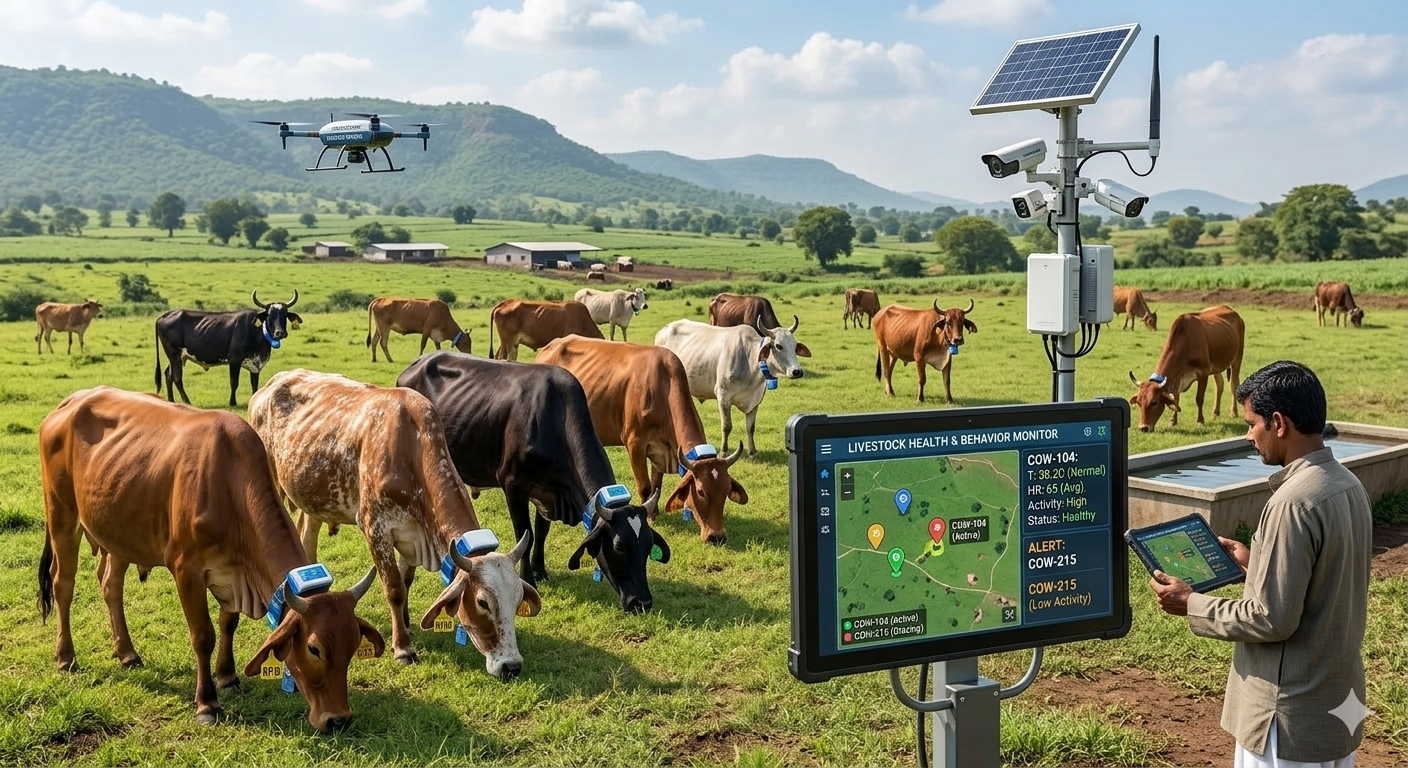
This growth reflects a shift toward precision livestock farming, where smart sensors, wearable tags, and data analytics tools are used to monitor animal health, behavior, and productivity in real time. European producers are investing in these technologies not only to comply with stringent animal welfare and traceability regulations but also to improve operational efficiency and meet rising demand for high‑quality meat and dairy products.
Download PDF Brochure: https://www.marketsandmarkets.com/pdfdownloadNew.asp?id=174637335
Market Drivers
1. Regulatory Pressure for Animal Welfare & Traceability
European Union regulations such as the EU Animal Health Law and animal welfare directives are intensifying the need for continuous tracking of livestock health and behavior. Farmers are adopting monitoring solutions to comply with these standards and maintain transparent records for audits and certifications. This regulatory push is a major factor driving the Europe Livestock Monitoring Market.
2. Rising Dairy & Meat Production
Europe remains a major global producer of milk and meat products, prompting livestock operations to implement monitoring systems that can optimize feeding, reproduction, and health management. Automated monitoring reduces labor dependency and enhances productivity, providing measurable economic benefits to farms of all sizes.
3. Precision Livestock Farming Initiatives
Government programs and industry initiatives promoting precision agriculture are opening opportunities for livestock monitoring technology adoption. Funding and innovation grants help reduce financial barriers for farmers, encouraging broader utilization of advanced health tracking and behavior analytics tools.
4. Smart Wearables & Biosensor Adoption
Wearable devices such as ear tags, leg tags, and collar sensors equipped with GPS, motion, and health sensors provide real‑time visibility into individual animal behavior. These technologies enable early disease detection, improved reproductive management, and enhanced welfare monitoring — key aspects fuelling market expansion.
Market Segmentation
By Offering
- Hardware – Includes smart tags, GPS trackers, environmental sensors and RFID systems. Hardware currently holds the largest share due to widespread sensor deployment across farms.
- Software & Services – Involves analytics platforms, cloud software, and consulting services. Software adoption is increasing rapidly as farms shift toward data‑centric solutions that offer predictive insights and automated alerts.
By Livestock Type
- Cattle – Dominates the market because of Europe’s extensive dairy and beef operations and the critical need for herd management.
- Poultry – Expected to register the highest growth due to rising meat and egg consumption and the adoption of automated feeding and environmental control systems.
- Swine, Equine & Others – Also contribute to overall growth as monitoring solutions become more affordable and specialized.
By Application
- Feeding Management – Rapid adoption due to the demand for optimizing feed efficiency and reducing waste.
- Health Monitoring – Largest share segment as farmers emphasize disease detection, heat detection, and welfare compliance.
- Milk Harvesting & Sorting Management – Important in dairy‑intensive regions.
By Farm Size
- Large Farms – Capture the largest share because of better capital access and the need for scalable digital monitoring systems.
- Medium Farms – Growing fastest as technology costs decrease and cooperatives support shared adoption models.
- Small Farms – Adoption remains limited due to cost and digital literacy barriers, though emerging service models are helping.
Regional Insights
Several European countries are key contributors to market growth:
- Germany – Holds a significant share due to a strong agricultural sector and high technology adoption.
- France – Expected to register the fastest CAGR owing to government support for digital agriculture and animal welfare programs.
- Italy & Spain – Notable players with expanding livestock operations and nutritional monitoring use cases.
- Netherlands – Known for sustainability goals and advanced agri‑tech adoption.
Competitive Landscape
Leading companies in the Europe Livestock Monitoring Market include:
- MSD Animal Health (US)
- GEA Group (Germany)
- DeLaval (Sweden)
- Nedap N.V. (Netherlands)
- Afimilk Ltd. (Israel)
- Datamars (Switzerland)
- BouMatic (US)
- CowManager (Netherlands)
- Dairymaster (Ireland)
- smaXtec animal care GmbH (Austria)
These players offer a mix of hardware, analytics platforms, and integrated monitoring suites, driving Europe Livestock Monitoring Market development through product innovation and strategic partnerships.
Market Trends & Innovations
Data‑Centric Transformation
The market is shifting from hardware‑only solutions to AI‑enabled analytics platforms that deliver continuous real‑time insights on livestock health, behavior, and productivity. These systems provide predictive alerts and decision support, enabling proactive interventions.
Integration with Digital Farming Ecosystems
Livestock monitoring systems are increasingly being integrated with farm management software, precision agriculture tools (such as drones and soil sensors), and weather forecasting platforms to offer comprehensive farm insights and resource optimization.
Collaborative Adoption Models
Emerging "monitoring‑as‑a‑service" models and cooperative sharing platforms help reduce cost barriers, especially for small and medium farms, increasing overall market penetration.
Challenges
Despite growth prospects, several challenges inhibit market expansion:
- High Capital Investment – The initial cost of advanced monitoring equipment and integration remains a barrier for small farms.
- Fragmented Farm Structures – Europe’s large number of smallholders complicates standardized technology adoption.
- Data Interoperability & Security – Multiple proprietary systems lack standardization, creating integration challenges and raising cybersecurity concerns.
Inquiry Before Buying @ https://www.marketsandmarkets.com/Enquiry_Before_BuyingNew.asp?id=174637335
Future Outlook
The Europe Livestock Monitoring Market is expected to continue its steady growth as technology becomes more affordable and integrated. Innovations in AI, IoT, and cloud‑based analytics will accelerate adoption, enabling farmers to enhance animal welfare, optimize operations, and ensure compliance with regulatory standards. Continued support from government initiatives, agri‑tech partnerships, and precision farming movements will further strengthen the market trajectory.
Top Key Takeaways
- The Europe Livestock Monitoring Market is projected to reach USD 943.1 million by 2031, growing at a CAGR of 5.6% from 2025–2031.
- France is expected to register the highest growth rate during the forecast period.
- Hardware offerings currently dominate the market due to sensor and IoT device adoption.
- Cattle monitoring holds the largest share, supported by dairy and beef operations.
- The poultry segment is the fastest growing by livestock type.
- Feeding management solutions are expanding rapidly.
- Large farms lead market adoption, though medium farms are growing fastest.
- Data‑centric platforms and AI analytics are transforming traditional monitoring approaches.
- Lack of interoperability and high costs remain key barriers.
- Market competition is driven by both global leaders and specialized agri‑tech innovators.
Frequently Asked Questions (FAQs)
1. What is the Europe Livestock Monitoring Market?
The Europe Livestock Monitoring Market comprises technologies that enable real‑time tracking and management of animal health, behavior, and productivity using sensors, smart tags, and analytics.
2. What is driving the growth of this market?
Key drivers include regulatory mandates on animal welfare, rising dairy and meat production, and increasing adoption of precision livestock farming initiatives.
3. Which segment holds the largest share?
The hardware segment currently holds the largest market share due to widespread adoption of IoT devices and wearable sensors.
4. Which livestock type is most monitored in Europe?
Cattle is the dominant livestock type in the market, supported by large dairy and beef operations across Germany, France, and the Netherlands.
5. What challenges does the market face?
Challenges include high initial setup costs, fragmented farm structures, and lack of data interoperability across monitoring systems
Share on Social Media


Contact Information
SAMIR SHUKLA
MarketsandMarkets™ Research Private Ltd.
Magarpatta Sez, Tower B5-1
Hadapsar
Pune
Maharashtra
411013
9923490533
https://www.marketsandmarkets.com/
Other Industry News
Ready to start publishing
Sign Up today!



