

Manufacturing Industry Today
Cost Analysis of Silica Sand Processing Plant (DPR) 2026: Setup and Market Trends
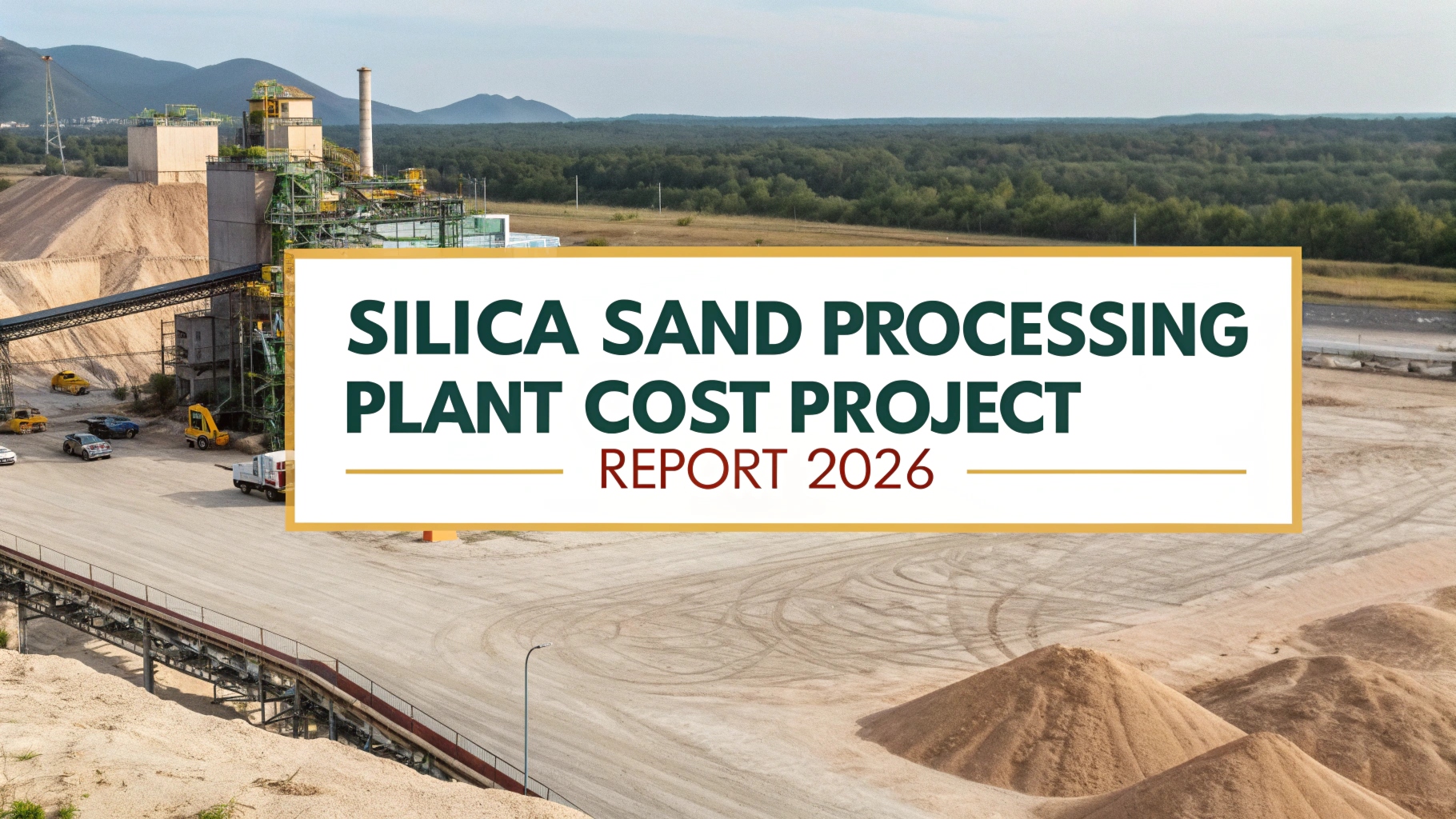
Silica sand is becoming increasingly critical as global demand surges across glass manufacturing, construction, foundries, and high-tech industries. Understanding the silica sand processing plant setup cost is essential for entrepreneurs and investors looking to capitalize on this rapidly expanding industrial minerals sector.
This comprehensive guide covers every investment aspect from raw material extraction to final product distribution, helping you make informed decisions about entering the silica sand processing business.
What is Silica Sand and Market Opportunity
Silica sand is high-purity quartz sand (silicon dioxide - SiO2) processed to specific grain sizes and purity levels for industrial applications. Through mining, washing, screening, and specialized processing, raw silica deposits are transformed into value-added products serving diverse industries worldwide.
Request for a Sample Report: https://www.imarcgroup.com/silica-sand-processing-plant-project-report/requestsample
Primary Applications:
- Glass manufacturing (flat glass, container glass, specialty glass)
- Foundry casting operations and metal production
- Hydraulic fracturing (frac sand) in oil and gas extraction
- Construction materials and concrete production
- Water filtration and purification systems
- Chemical production and silicon manufacturing
- Electronics and semiconductor industries
- Sports surfaces and recreational applications
With construction activity expanding globally, renewable energy growth driving glass demand, and technological advancement requiring ultra-pure silica, the processing industry presents compelling investment opportunities.
Complete Breakdown of Silica Sand Processing Plant Setup Costs
Land Acquisition and Infrastructure Development
Strategic location near silica deposits is critical:
- Land purchase or mineral rights acquisition
- Mining area development and access roads
- Site leveling and foundation preparation
- Boundary development and security systems
- Internal transportation networks
- Utility infrastructure and connections
- Environmental buffer zones
- Water source development
Location Strategy: Proximity to high-quality silica deposits minimizes transportation costs while access to water resources enables efficient processing operations.
Mining and Extraction Equipment
Quarry development and extraction systems:
- Drilling and blasting equipment (if required)
- Hydraulic excavators and wheel loaders
- Dump trucks and haul vehicles
- Water jet mining systems (for soft deposits)
- Dredging equipment (for underwater deposits)
- Primary crushing equipment at mine site
- Slurry pumping systems
- Mine dewatering equipment
Raw Material Handling and Storage
Feed material management infrastructure:
- Raw sand receivng hoppers
- Stockpile areas with drainage systems
- Reclaim feeders and conveyors
- Surge bins and storage silos
- Moisture control systems
- Material handling conveyors
- Dust suppression systems
- Weighing and metering equipment
Processing Equipment and Machinery
Core production technology represents major capital investment:
Washing and Scrubbing Section:
- Log washers for clay removal
- Attrition scrubbers for surface cleaning
- Rotary scrubbers for disaggregation
- Vibrating screens for classification
- Spiral classifiers for size separation
- Hydrocyclones for fine particle removal
Sizing and Classification:
- Vibrating screening decks (multiple layers)
- Air classifiers for fine fractions
- Hydraulic classifiers
- Dewatering screens
- Size grading equipment
- Particle size analyzers
Beneficiation Systems:
- Magnetic separators (wet and dry)
- Flotation cells for feldspar removal
- Gravity separation equipment
- Spiral concentrators
- Dense media separation units
- Electrostatic separators
Drying and Finishing:
- Rotary dryers with burner systems
- Fluidized bed dryers
- Flash dryers for fine materials
- Cooling systems
- Final screening and grading
- Dust collection systems
Ultra-High Purity Processing (Optional):
- Acid leaching tanks for iron removal
- Filtration and washing systems
- High-temperature calcination furnaces
- Grinding mills for size reduction
- Specialized purification equipment
Water Management Systems
Essential water infrastructure:
- Water intake and storage systems
- Process water circulation and recycling
- Clarification and thickening equipment
- Filter press for solids recovery
- Clean water storage tanks
- Wastewater treatment systems
- Sludge handling equipment
- Water quality monitoring
Utilities and Energy Systems
Supporting infrastructure requirements:
- Power supply and electrical distribution
- Transformer stations and switchgear
- Backup power generation
- Compressed air systems
- Fuel storage for dryers
- Workshop and maintenance facilities
- Lighting and communication systems
Environmental Control Systems
Compliance infrastructure:
- Dust collection and baghouse filters
- Air emission monitoring systems
- Noise control measures
- Stormwater management
- Sediment control systems
- Reclamation and rehabilitation planning
- Environmental monitoring equipment
- Waste disposal facilities
Civil Works and Buildings
Physical infrastructure requirements:
- Main processing plant building
- Enclosed drying and finishing areas
- Product storage warehouses
- Bagging and bulk loading facilities
- Control room and offices
- Maintenance workshop
- Quality control laboratory
- Employee facilities
- Security and gatehouse
Storage and Distribution
Product handling infrastructure:
- Finished product storage silos
- Different grade segregation systems
- Bagging plants with automated systems
- Bulk loading facilities for trucks and rail
- Covered storage warehouses
- Loading conveyors and elevators
- Weighbridges and scales
- Quality control sampling stations
Instrumentation and Control Systems
Modern automation infrastructure:
- Process control systems (PLC/DCS)
- Flow meters and level sensors
- Density and moisture analyzers
- Particle size monitoring equipment
- Quality control instruments
- SCADA systems for remote monitoring
- Laboratory testing equipment (XRF, laser sizing)
- Data acquisition and reporting systems
Engineering and Pre-operative Costs
Project development expenses:
- Geological surveys and resource assessment
- Detailed feasibility studies
- Engineering design and drawings
- Environmental impact assessment
- Mining permits and regulatory approvals
- Water rights and discharge permits
- Project management services
- Equipment commissioning and testing
- Operator training programs
- Startup and ramp-up costs
Working Capital Requirements
Initial operational funds:
- Mining and processing consumables
- Energy and fuel costs
- Chemical reagents (if beneficiation used)
- Employee salaries and contractor payments
- Maintenance supplies and spare parts
- Marketing and distribution expenses
- Contingency reserves
Key Factors Determining Total Investment
Production Capacity Scale
- Small-Scale Plant: Processing 50,000-150,000 tons annually for local markets. Lower absolute investment with simpler processing requirements.
- Medium-Scale Plant: Processing 200,000-500,000 tons annually for regional supply. Balanced economics with moderate automation and beneficiation capabilities.
- Large-Scale Plant: Processing 1+ million tons annually for national and export markets. Highest capital requirement but best economies of scale and lowest per-ton processing costs.
Deposit Quality and Characteristics
Your raw material quality fundamentally impacts processing complexity:
- High-Purity Deposits: Minimal processing required, lower capital investment, simpler washing and sizing operations.
- Medium-Quality Deposits: Moderate beneficiation needed, magnetic separation and flotation systems, higher processing costs.
- Low-Grade Deposits: Extensive beneficiation required, complex purification systems, higher capital but potentially lower feedstock costs.
- Deposit Accessibility: Surface mining versus deep deposits affects extraction costs significantly.
Product Specifications and Markets
- Industrial Grade: Basic washing and sizing, suitable for construction and foundry applications, lower processing investment.
- Glass Grade: Medium purity requirements (98-99% SiO2), iron content control, magnetic separation needed, moderate capital investment.
- Foundry Grade: Specific size distribution and low clay content, comprehensive washing and classification, specialized equipment.
- Frac Sand: Precise sphericity and crush resistance requirements, extensive processing and testing, higher quality control investment.
- Ultra-High Purity: Advanced beneficiation including acid treatment and calcination, specialized equipment, highest processing costs.
Processing Technology Selection
- Basic Washing Plant: Simple log washers and screens for low-grade products, minimal capital investment, limited product range.
- Standard Processing: Comprehensive washing, sizing, and magnetic separation for glass-grade products, moderate investment.
- Advanced Beneficiation: Flotation, gravity separation, and chemical treatment for premium products, substantial capital requirement.
- Ultra-Pure Processing: Acid leaching, high-temperature treatment, and precision grinding, highest capital but premium product pricing.
Water Availability and Management
- Abundant Water Sources: Lower water infrastructure investment, simpler recycling systems, reduced operational complexity.
- Limited Water Supply: Extensive recycling systems required, clarification and filtration equipment, higher capital and operational costs.
- Dry Processing: Specialized air classification equipment, dust control systems, suitable for arid regions but limited applications.
Location and Infrastructure
Geographic factors influence total costs:
- Proximity to silica deposits reduces mining and transportation costs
- Existing infrastructure lowers development expenses
- Water availability impacts processing method selection
- Power grid access affects energy infrastructure requirements
- Transportation connectivity influences distribution economics
- Environmental sensitivity affects permitting and compliance costs
Environmental and Regulatory Requirements
Stringent standards necessitate:
- Advanced dust control and air quality systems
- Comprehensive water treatment and recycling
- Mine reclamation and rehabilitation planning
- Continuous environmental monitoring
- Detailed permitting and compliance documentation
Understanding Return on Investment
Revenue Streams
Primary Income Sources:
- Industrial-grade silica sand for construction and general applications
- Glass-grade silica sand to flat glass and container manufacturers
- Foundry-grade sand to metal casting operations
- Frac sand sales to oil and gas service companies
- Specialty silica products to chemical and electronics industries
- Water filtration sand to municipal and industrial markets
Cost Structure
Major Operating Expenses:
- Mining and extraction costs (fuel, equipment, labor)
- Energy consumption for processing, drying, and material handling
- Water management and treatment expenses
- Labor costs for operations, maintenance, and quality control
- Maintenance, spare parts, and consumables
- Transportation and logistics to customers
- Royalties or lease payments for mining rights
Profitability Drivers
Success depends on optimizing several factors:
- Accessing high-quality deposits with favorable mining conditions
- Achieving high plant utilization and throughput rates
- Minimizing moisture content to reduce drying costs
- Maximizing recovery rates during processing
- Producing multiple product grades from single feed
- Maintaining consistent product quality specifications
- Securing long-term supply contracts with stable pricing
Buy now: https://www.imarcgroup.com/checkout?id=7691&method=2142
Government Incentives and Policy Support
Various programs can reduce effective investment:
- Financial Support: Mining sector development subsidies and infrastructure grants for mineral processing facilities.
- Tax Benefits: Accelerated depreciation on mining equipment, customs duty exemptions on imported machinery, GST concessions.
- Infrastructure Development: Support for mining area road connectivity and utility infrastructure.
- Export Incentives: Duty drawback schemes and freight subsidies for mineral exports.
- Employment Generation: Incentives for creating jobs in mineral-rich but economically disadvantaged regions.
- Technology Upgrades: Support for adopting cleaner processing technologies and environmental protection measures.
Critical Success Factors
Secure Quality Reserves
Comprehensive geological assessment and proven reserves ensure long-term feedstock availability. Secure mining rights or long-term supply agreements before committing to processing infrastructure.
Optimize Water Recycling
Since water represents both a major cost and environmental concern, invest in efficient recycling systems to minimize freshwater consumption and wastewater discharge.
Focus on Product Quality Consistency
Customers require consistent specifications for silica content, particle size distribution, and contaminant levels. Invest in quality control and automated process monitoring.
Develop Diversified Product Portfolio
Processing flexibility to produce multiple grades maximizes revenue from single deposits. Design plants for easy grade switching and multiple product streams.
Maintain Environmental Compliance
Proactive environmental management prevents regulatory issues and community conflicts. Exceed minimum standards to build long-term operational security.
Build Strong Customer Relationships
Establish long-term supply agreements with glass manufacturers, foundries, and other major consumers. Reliable supply and consistent quality command premium pricing.
Implementation Roadmap
Phase 1 - Planning and Analysis
- Conduct geological surveys and resource evaluation
- Analyze market demand by product grade
- Prepare comprehensive feasibility study
- Develop financial models and sensitivity analysis
- Identify optimal processing location
- Assess water availability and quality
Phase 2 - Approvals and Financing
- Obtain mining leases and environmental clearances
- Secure water rights and discharge permits
- Arrange project financing through debt and equity
- Finalize equipment suppliers and technology providers
- Establish customer commitments and offtake agreements
Phase 3 - Construction Phase
- Develop mining area and access infrastructure
- Execute civil construction for processing plant
- Install processing equipment and conveyors
- Build water management and treatment systems
- Set up drying and finishing facilities
- Install control and monitoring systems
Phase 4 - Commissioning
- Conduct equipment testing and optimization
- Perform trial processing runs with ore samples
- Optimize processing parameters for product specifications
- Train operational and maintenance personnel
- Obtain final certifications and quality approvals
Phase 5 - Commercial Operations
- Launch full-scale mining and processing
- Activate distribution channels and logistics
- Implement quality management systems
- Monitor and optimize recovery rates
- Establish continuous improvement programs
- Plan progressive mine rehabilitation
Risk Management Strategies
- Reserve Quality Risk: Comprehensive drilling and sampling programs minimize uncertainty about deposit characteristics and ensure processing design accuracy.
- Market Demand Fluctuations: Diversified customer base across multiple end-use sectors provides revenue stability during industry-specific downturns.
- Water Availability: Extensive recycling systems and dry processing backup capabilities ensure operational continuity during water constraints.
- Environmental Compliance: Proactive monitoring, stakeholder engagement, and exceeding standards prevent regulatory disruptions.
- Equipment Failure: Preventive maintenance programs, critical spare parts inventory, and equipment redundancy minimize production downtime.
- Transportation Costs: Proximity to customers or rail infrastructure, bulk handling capabilities, and logistics optimization control distribution expenses.
Ask Analyst for Customization: https://www.imarcgroup.com/request?type=report&id=7691&flag=C
Why Professional Feasibility Studies Matter
Silica sand processing plant establishment involves complex geological, technical, and market considerations. Professional consulting provides:
- Accurate resource assessment and reserve certification
- Optimal processing technology selection for deposit characteristics
- Detailed capital and operating cost estimation
- Comprehensive financial modeling with sensitivity analysis
- Regulatory compliance roadmap and permitting support
- Equipment vendor evaluation and negotiation assistance
- Risk assessment and mitigation strategies
- Implementation planning and project oversight
- Market analysis and customer development support
Conclusion
The silica sand processing plant setup cost represents substantial capital investment, but the growing demand across glass manufacturing, construction, foundries, and high-tech industries offers compelling returns for well-planned projects. With infrastructure development accelerating, manufacturing expanding, and specialty applications growing globally, silica sand processing presents an attractive business opportunity.
Success requires careful attention to resource quality, processing technology selection, environmental management, and operational excellence. With thorough geological assessment, strategic planning, and professional execution, your silica sand venture can deliver both market competitiveness and strong financial performance.
About IMARC Group
IMARC Group is a global management consulting firm that helps the world's most ambitious changemakers to create a lasting impact. The company excels in understanding its client's business priorities and delivering tailored solutions that drive meaningful outcomes. We provide a comprehensive suite of market entry and expansion services. Our offerings include thorough market assessment, feasibility studies, company incorporation assistance, factory setup support, regulatory approvals and licensing navigation, branding, marketing and sales strategies, competitive landscape and benchmarking analyses, pricing and cost research, and procurement research.
Contact Us:
IMARC Group
134 N 4th St. Brooklyn, NY 11249, USA
Email: sales@imarcgroup.com
Tel No:(D) +91 120 433 0800
United States: (+1-201971-6302)
Share on Social Media


Contact Information
IMARC Group
134 N 4th St.
Brooklyn
New York
11249
+1-201-971-6302
https://www.imarcgroup.com
Other Industry News
Ready to start publishing
Sign Up today!



